- HomeHome
- DiningDining
- Venues & EventsVenues & Events


Peek behind the curtain: Yamagen’s recipe book has opened
 Share
Share


 Share
Share
With winter looming, we’re gifting you our favourite comfort meal. Yamagen’s signature Dry Aged Duck Breast is a dish that fuses refinement and warmth to offer a remarkable journey for the senses, and we decided to sneak into the kitchen to take notes from the master himself, Chef Adam Lane, Yamagen’s Head of Culinary Creative.
Whether you’re aiming to impress a special someone or looking to challenge yourself in the kitchen, read on for a recipe that will earn you a Chef’s Hat of your own, with a side of bragging rights.
Grab your coveted knifes and don’t forget to take a photo to tag us on Instagram – you know we love to share your creations with our Yamagen crew.
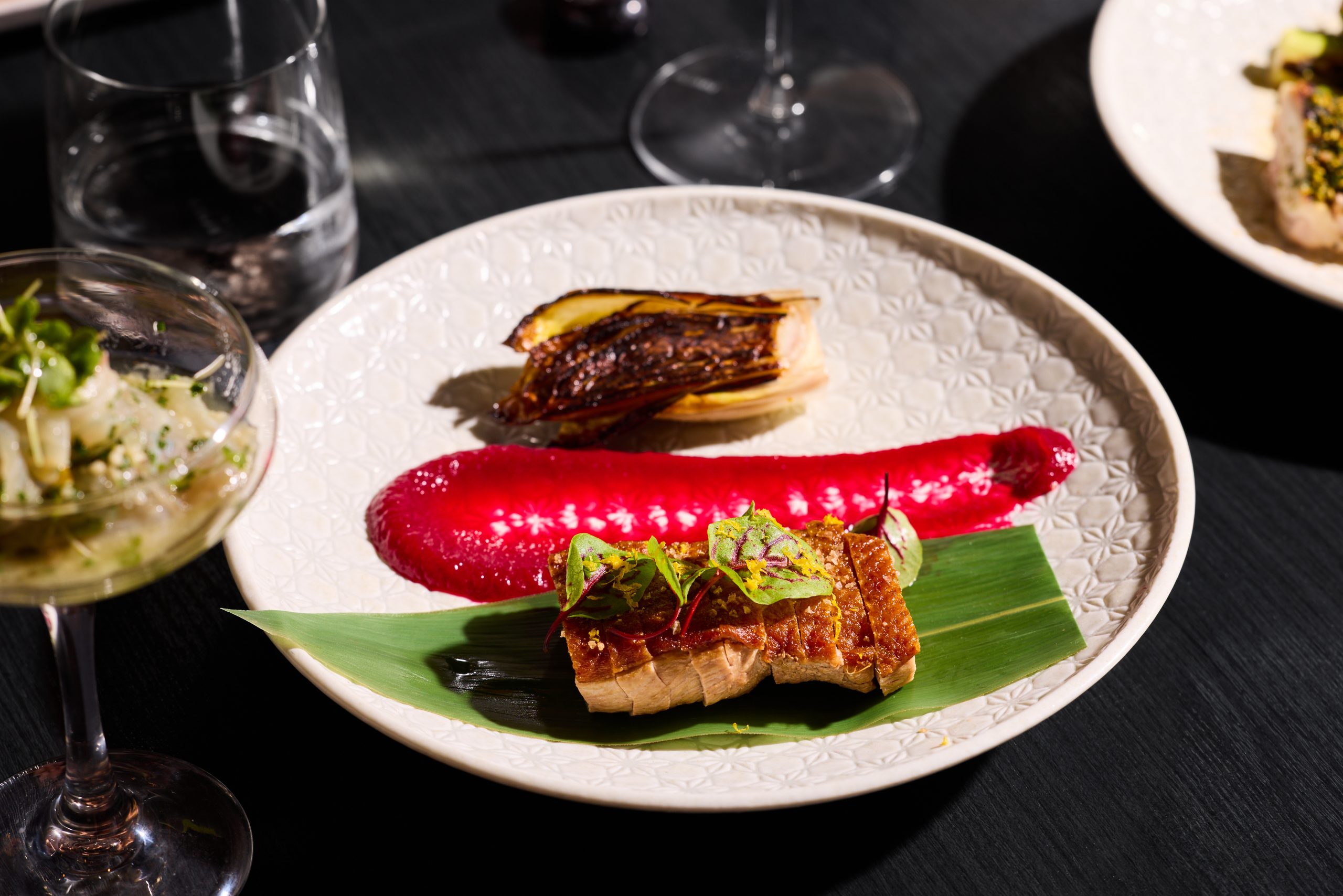
Dry Aged Duck Breast with beetroot puree, witlof, sansho, orange
Like all good recipes, it starts with a trip to your grocer of choice – and read ahead this recipe takes 4 days.
Ingredients
- 250g Duck breast
- Medium-sized beetroot
- Witlof
- Red vein sorrel
- Brine
1L water + 25g salt - Cooking liquor
30g salt + 125g sugar + 125ml rice wine vinegar + 2.5L water - Sancho salt
1 part Sancho + 20 parts salt - Orange zest
Once you have wrangled your ingredients (and maybe a treat or two for yourself along the way), the process begins a few days prior to the night you would like to cook the dish. All good things take time, after all.
Method
Pat excess blood from your duck breast and soak in the brine solution. After 4 hours of soaking, strain the duck and pat dry. Place duck in a dry age cabinet – don’t worry if you don’t have one of these, as you can place your duck skin-side up on a flat tray on a tea towel in your fridge to achieve a similar result. Change the tea towel daily.
After 4 days, your duck will shrink, and the colour will darken; the flavour, intensified.
Trim the duck of any excess fat and sinew. Set aside.
Set a glass of wine aside for yourself (we recommend a glass of Torbreck ‘Struie’ Shiraz) at the same time and roll your sleeves up. It’s time to prepare the beetroot.
Wash your beetroot under cold running water with a scourer to remove any dirt. Cut off excess stalks and leave the skin on as you place them in a pot with cooking liquor, bringing them to boil. At this point, you can bring it down to a simmer. This cooking process may take a few hours depending on the size of your beetroot. Not sure? Check using a small knife to insert into the beetroot – if it slides out with ease, they are ready.
Remove beetroots and peel them with the back of a knife or spoon, discarding the cooking liquor. This must be done while the beetroots are still hot if you want a smoother puree. To avoid burning your hands, double up on plastic gloves or use a cloth. After peeling, roughly chop the beetroot and puree until smooth using either a bar mix or liquidizer. Pass through a fine strainer and then cool down as fast as possible.
Set aside.
It’s time to get your ducks in a row.
To cook the duck, place skin-side down in a cold pan. If you have a weight for them, even better. Turn the stove up to high until you start to see the fat rendering from the skin, at which point you can turn down to a medium heat and continue cooking. Keep an eye on them and adjust the temperature accordingly so as not to burn. Be aware, though – if your temperature is too low, you won’t get the desired crispy skin.
After a few minutes, transfer to a pre-heated oven at 210°C for approximately two minutes.
The duck should still be quite rare when you retrieve it from the oven. With a spoon, baste the flesh with duck fat from the pan and this will gently cook to the desired degree. At Yamagen, we serve it at medium.
Take the duck from the pan and place on a resting rack in a warm spot, skin side up.
Reheat the pan until the duck fat is almost smoking and then carefully place the witlof in. Char on high heat. The desired look is almost burnt.
When done, take out of the pan and place on the resting rack, pouring the remaining duck fat over the witlof.
Now, it’s time to let your inner artist shine.
To plate, heat a small amount of beetroot puree and with a generous dot on the plate, smear with a spoon. Thinly slice the duck, seasoning with Sancho salt and orange zest prior to plating. Arrange red vein sorrel on top. Lastly, cut the heart out of the witlof and plate.
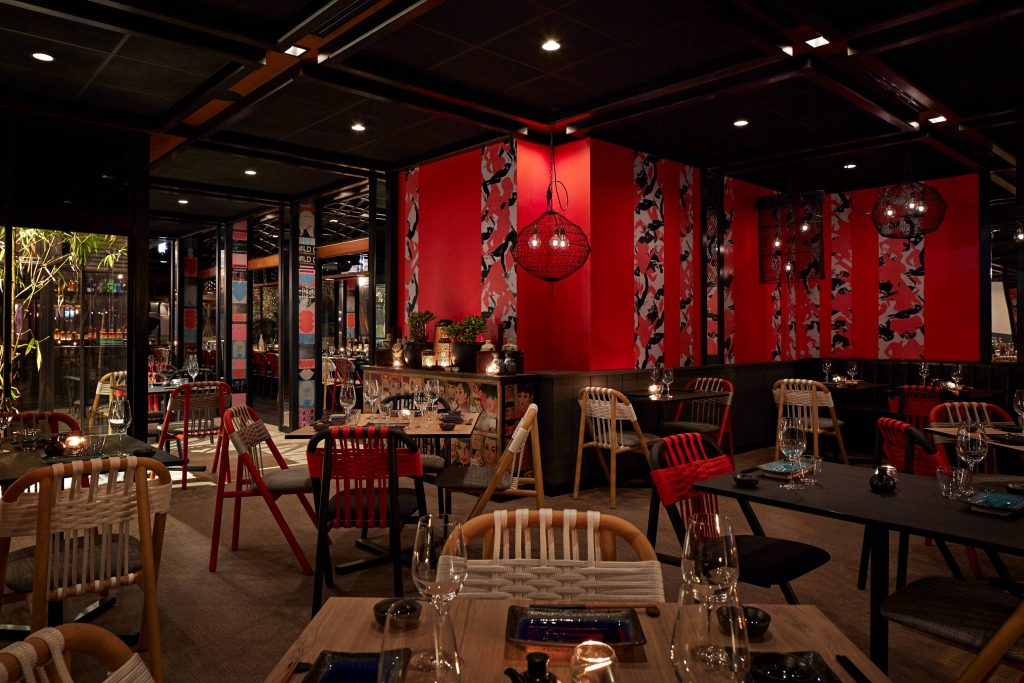
Kanpai! Hard work has never tasted better. There’s no denying that this one is a show-stopper curated by a culinary genius, and we welcome you to taste the original before whipping it up in your own kitchen.
QT Social
Feeling a little social? Follow QT
 Turn on notifications and be the first to know when exclusive deals and limited-time offers drop. View privacy policy
 Powered by
 Enter your details
 - DiningDining


Book
 Close
Search
Close
Search