- DiningDining
- Venues & EventsVenues & Events


The Art of Science
 Share
Share


 Share
Share
By Andrew Frost
The relationship between art and science has always been a vexed one. On the one hand, science is all about methodology, whereas on the other, art is all about process. That the two can ever appear to be related is something of a small miracle, even when art is at the service of science, observing and recording reality in a manner that aids the agenda of understanding and rationality – but when art becomes expressive that’s where the trouble begins.
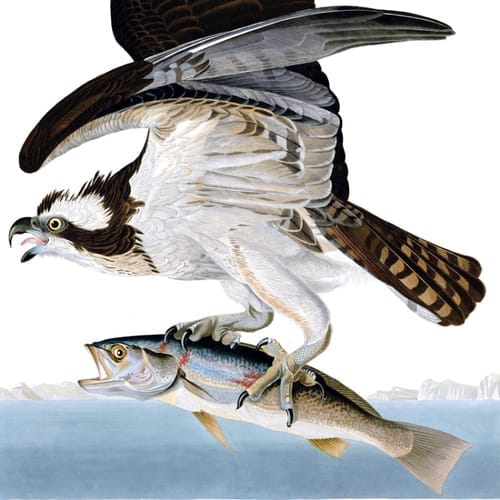
Drawn from the collection of the Museum of Victoria, The Art of Science includes almost 150 individual works including drawings, artworks, photographs, books and prints, pieces that “emphasises that the eye, mind and hand continue to be essential in the documentation process despite on-going technological developments”. While art can claim a degree of objectivity, the urge to include a dramatic element seems almost impossible to resists – such as John Audubon’s Fish Hawk, depicted in flight at the fateful moment as it snatches a hapless fish from a lake. Science may have the edge but it needs art to make its claims seem real.
Until March 29
National Art School Gallery, Darlinghurst
Pic: John James AUDUBON (1785-1851), Fish Hawk (Falco hallaetus), The birds of America, Plate 81, 1st edition, London, 1830, Hand coloured aquatint, engraving on paper.
QT Social
Feeling a little social? Follow QT
 Turn on notifications and be the first to know when exclusive deals and limited-time offers drop. View privacy policy
 Powered by
 Enter your details
 - Venues & EventsVenues & Events


Book
 Close
Search
Close
Search