- HomeHome
- DiningDining


No Aphrodisiac Like Food
 Share
Share


 Share
Share
By Tarn Morrow
Is food sexy? Will images of food, lead to feelings of passion? Is our obsession with food going too far to suggest that food could be considered an aphrodisiac?
No matter how confusing and complicated the connection, food has been used as a metaphor for pleasure, for years.
In his 1961 compilation, The Dictionary of Aphrodisiacs, Harry Wedeck described aphrodisiacs as ‘stimuli of love, involving visual images, olfactory and tactile experiences and physiological operations related to food, drink and drugs inducing arousal.’
The understanding then that an aphrodisiac has the ability to increase blood flow in the body, creating excitement in the brain serves to mimic the same activity when one is viewing visually interesting food in art. Artists over time have tapped into this by imputing well known aphrodisiacs in their artworks.
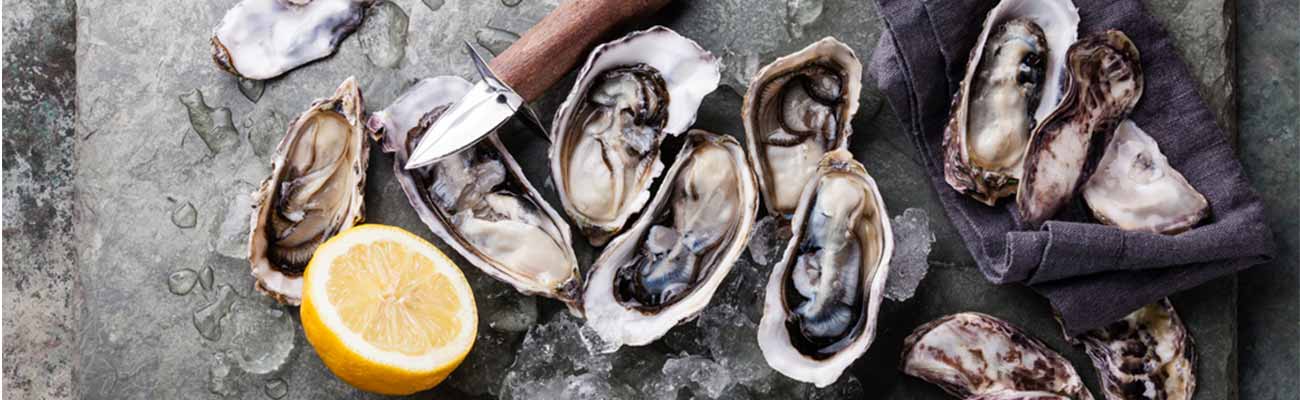
Just to name a few, let’s start with Oysters, the most well-known of aphrodisiacs, and Asparagus. Both known for invoking feelings of lust and improving ones sex life were both commonly used in 17th Century, Dutch Still Life paintings and are also seen today in many visual art-forms.
Chocolate speaks for itself – the symbol of love, it makes you feel good! Bananas, by their shape alone serve to have a connection and is said to improve male libido.
Our interpretations can therefore shed light on aphrodisiacs use in art forms as Isabel Allende in her book Aphrodite: A Memoir of the Senses alluded quite clearly that ‘whether some aphrodisiacs function through analogy, like the vulva-shaped oyster or the phallic asparagus, others by association, because they remind us of something erotic’.
But at the end of the day, as Dr Ruth Westheimer, an American Relationship Therapist famously quipped, “The most important sex organ lies between the ears.” It all starts in the mind!
So next time you gobble into that tray of freshly shucked oysters, take a moment and ask yourself, ‘are you feeling stimulated?’
https://www.instagram.com/p/BHjPB_ajWLN/?taken-by=qtcanberra&hl=en
QT Social
Feeling a little social? Follow QT
 Turn on notifications and be the first to know when exclusive deals and limited-time offers drop. View privacy policy
 Powered by
 Enter your details
 - DiningDining


Book
 Close
Search
Close
Search