- HomeHome
- DiningDining


Celestial Empire Exhibition
 Share
Share


 Share
Share
By Melissa Twidale.
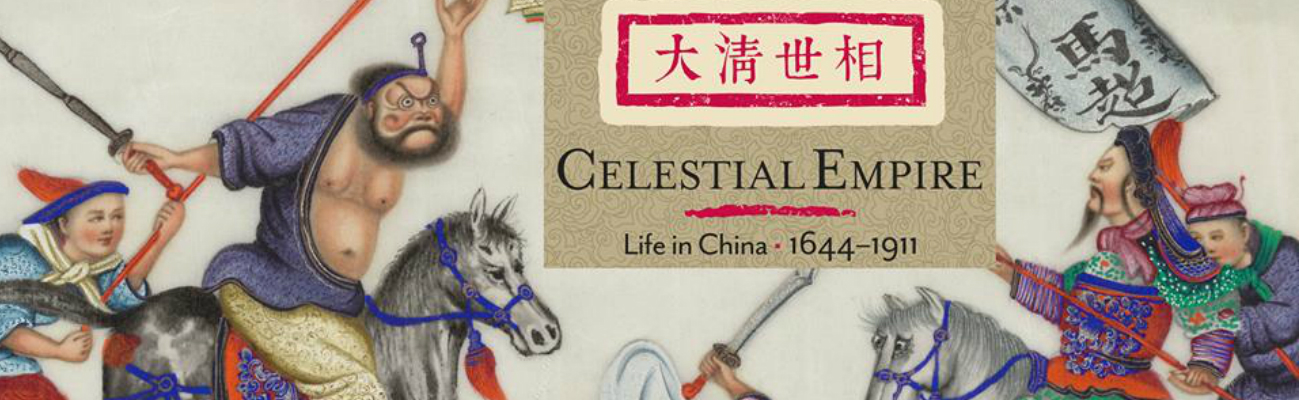
History buffs, listen up. The National Library of Australia presents the Celestial Empire, an exclusive exhibition in partnership with the National Library of China capturing 300 years of Chinese culture and tradition. From life at court to life in the villages and fields, take a glimpse at China’s last imperial dynasty and its wealth of cultural tradition.
From precious objects, drawings, maps, books and prints, this exhibition offers insight into life in China from 1644 – 1911 and early western impressions during this time. The Quing dynasty ruled China for nearly 270 years… so there’s heaps to look at.
The exhibition is made up of pieces from six key periods of the dynasty;
Introduction to the Celestial Empire
Complete Map of Everlasting Unity of the Great Qing was designed to impress. Created in the early 19th Century this work is spread over 8 scrolls and shows the extent of the of the Qing dynasty at the height of its strength.
The Culture of Rule
The Manchus governed China during the Qing period, overseeing its vast territory through the structure of bureaucratic tradition of China and the tribal structures of Manchuria and Mongolia. There were two big dog officials, one Chinese and one Manchu. Their separate ethnic identities were cherished and this can be seen in the artefacts.
Inheriting the Past
Young men preparing for a government career studied philosophy, history and poetry in order to gain an understanding of proper moral values. In hope of making their mark on history, the study of historical figures, collecting calligraphy paintings and cultural relics allowed this engagement with the past.
The Rambling
A rapid expansion of the Chinese population occurred over 3 centuries growing fro 150 million in 1700 to perhaps around 350 million in the mid 19-century. Regional trade expanded, encouraging the growth of urban population and economic prosperity, which in turn lead to a greater availability of leisure time and higher pursuit of literature, drama, music and painting.
Looking In
Life under the Qing was transmitted abroad by a variety of means. Japan and Korea shared a common written language with China and had official ambassadors who regularly visited Beijing. Europeans had less opportunity to gain information, with many Jesuits’ efforts to study the language, history and customs being supplemented by foreign accounts of Canton.
A Troubled Century
Early 19th century saw the Qing dynasty struggling with tax, administration and natural disasters, followed by a series of military defeats beginning with First Opium War with Great Britain in 1841. This resulted in the opening of ‘treaty ports’ and stemmed the growth of foreign trade, vastly increasing cultural exchange. Fleets of missionaries arrived bring Western education, medicine and technology.
If you’re a history buff or if you have an appreciation for culture and historical influence, this exhibition is guaranteed to interest you. Enjoy!
Celestial Empire, Life In China 1644 – 1911: January 2 – May 22
QT Social
Feeling a little social? Follow QT
 Turn on notifications and be the first to know when exclusive deals and limited-time offers drop. View privacy policy
 Powered by
 Enter your details
 - DiningDining


Book
 Close
Search
Close
Search